

ENERGY ANATOMY · THE ORIGINAL FRAMEWORK
The body.
The food. The question.
The original chart belongs to the Train’s history. Scientific ingredient knowledge belongs beside it with its own sources and limits.
FOLLOW A FUNCTION · FOLLOW THE SOURCE
From a body function
to the kitchen.
Choose a connection. Trace the nutrient, the ingredient, and what the evidence can tell us.
Three independently sourced educational connections. They are not a transcription or validation of the original chart.
01 · IN THE BODY
Iron
Iron is used to make hemoglobin, which carries oxygen in blood, and myoglobin, which supplies oxygen to muscles.
02 · IN THE KITCHEN
Plant foods contain nonheme iron. Vitamin C-containing foods can improve its absorption. A recipe link does not measure the iron absorbed.
Read all three connections
Iron · Carry oxygen
Iron is used to make hemoglobin, which carries oxygen in blood, and myoglobin, which supplies oxygen to muscles. Plant foods contain nonheme iron. Vitamin C-containing foods can improve its absorption. A recipe link does not measure the iron absorbed.
This is a nutrient function, not evidence that a meal treats anemia. Fatigue has many possible causes; this explorer does not diagnose it.
NIH ODS · Iron ↗Calcium · Build structure
Calcium gives bones and teeth structure. It also participates in muscle movement and nerve signaling. Broccoli contains calcium. Calcium in tofu and plant beverages depends on the product and fortification; check the label.
Food names do not establish a calcium amount. These links do not show that a meal prevents fractures or meets an individual requirement.
NIH ODS · Calcium ↗Potassium · Move & communicate
Potassium participates in nerve transmission, muscle contraction, and normal heart and kidney function. These foods are listed by NIH ODS as potassium sources. Variety, preparation and portion change the amount; no recipe nutrient totals are calculated here.
More is not always appropriate. Kidney disease and some medicines can change potassium handling; follow your care plan. This explorer does not recommend potassium supplements or salt substitutes.
NIH ODS · Potassium ↗The original framework.
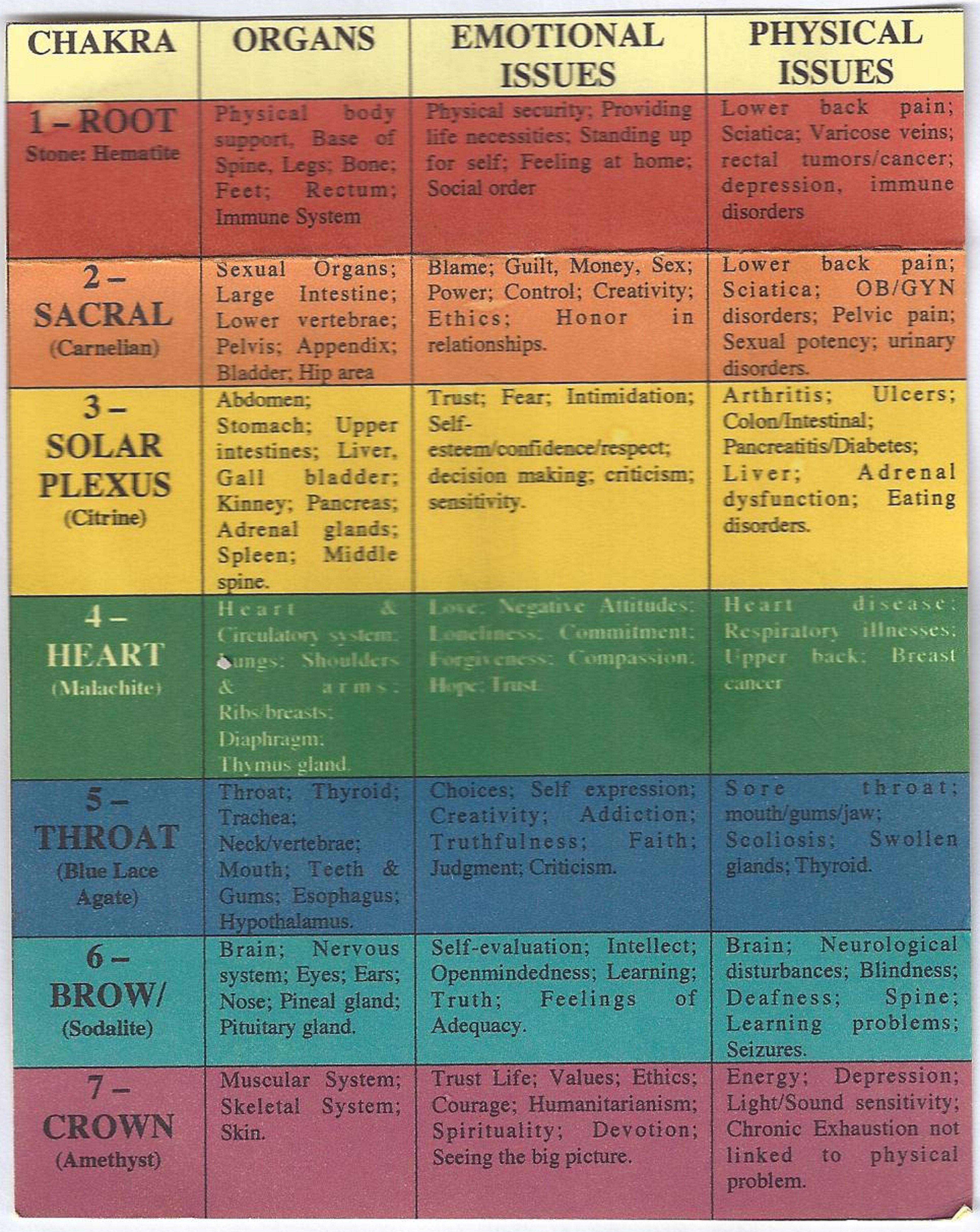
Two kinds of connection.
The chart’s symbolic associations are preserved as original framework material. They do not establish a diagnosis, a cause of disease, or evidence that a food treats an organ.
Ingredient composition, physiology and health research need their own sources. A food’s color does not supply that evidence.
Begin with an ingredient.
Turmeric: a culinary spice, a yellow pigment, and an evidence boundary ↗
Lentils: from a cooking pot to a wider journey ↗
Return to the original Fountain experience ↗
The educational explorer is sourced separately. A verified transcription and original-workbook provenance remain open work.