The Gardens of Panache · The Legume Fields
White beans
A quiet ingredient with a generous spirit.
White beans move easily from a brothy bowl to a spoonful of mash on toast. Here, cooked cannellini beans meet herbs, greens and lemon: familiar ingredients with room for a little panache.
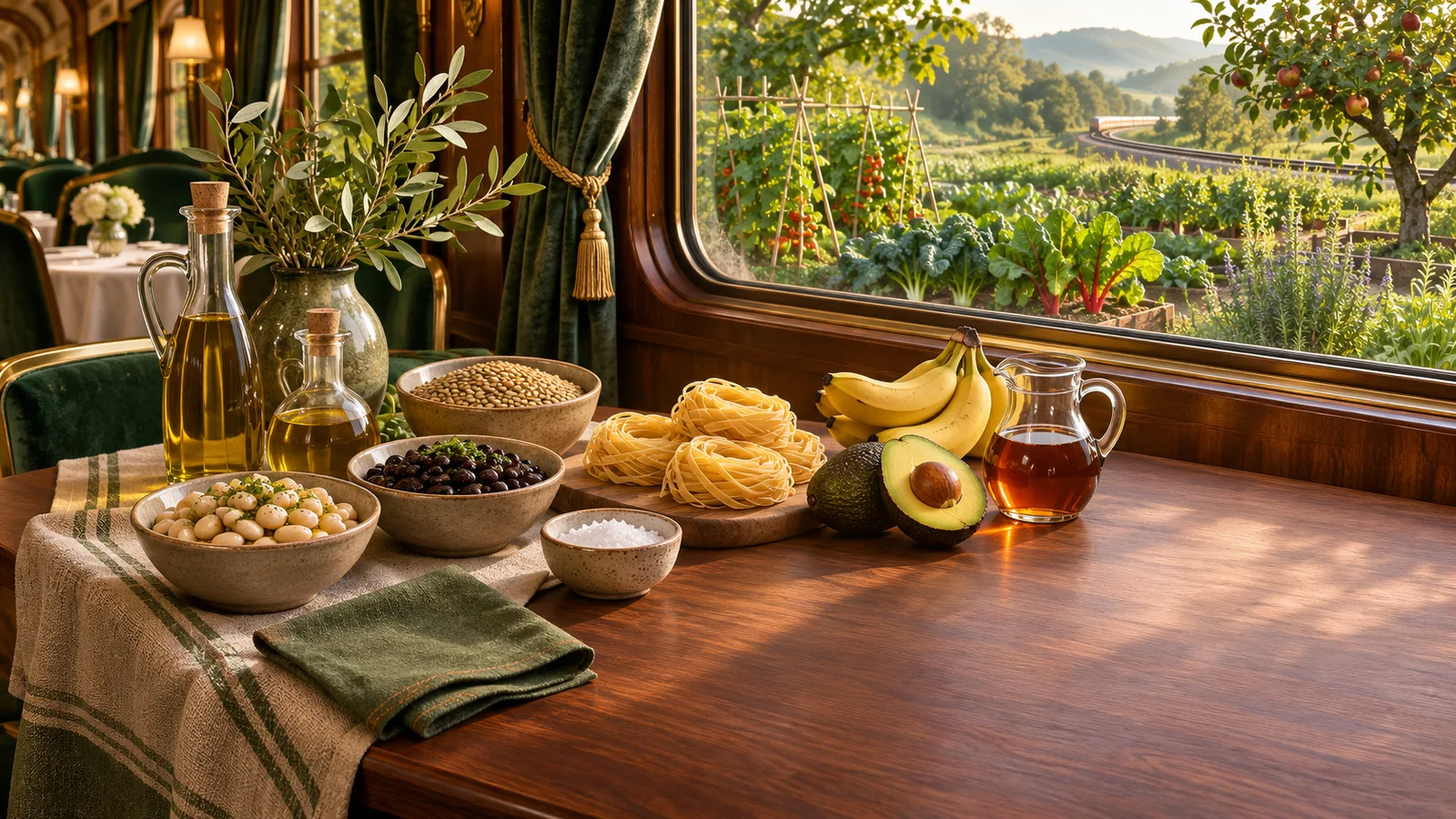
Gather around the table
Cook with white beans.
Choose a recipe, follow its preparation, and let the neighboring ingredients open the next part of the journey.
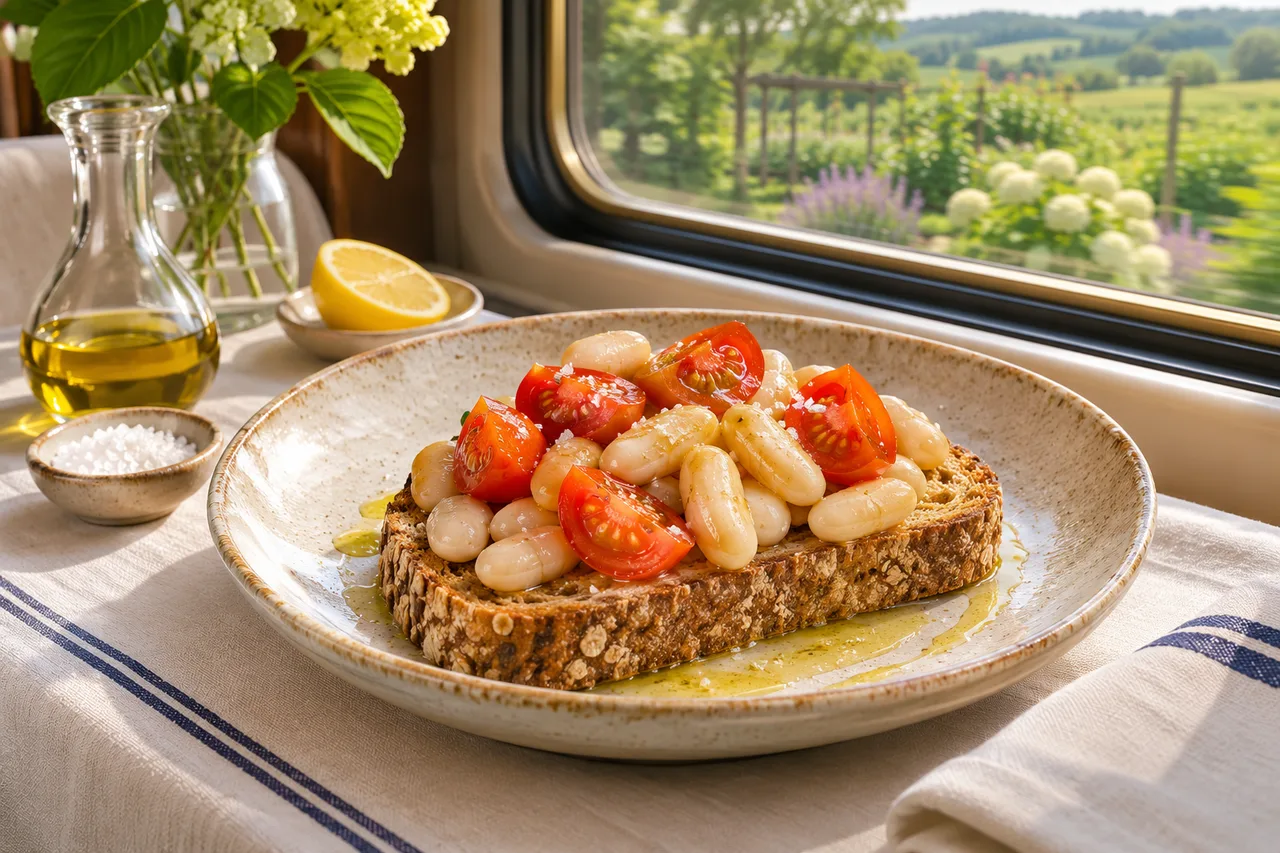
Lunch · Public recipe
Tomato & white bean toast
A quick bean mash with tomatoes on crisp toast.
Serves 2 · about 15 minutes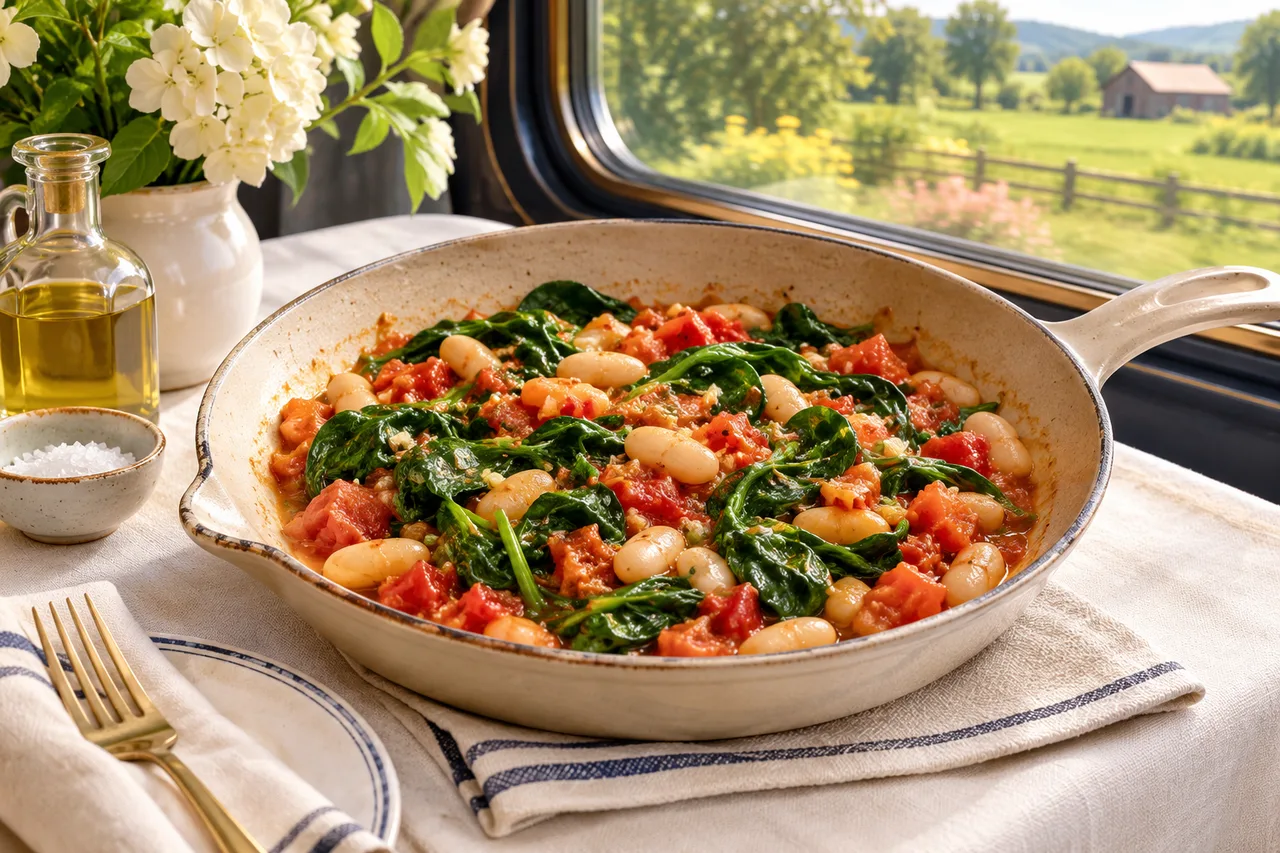
One-pot · Public recipe
Spinach & white bean skillet
Warm white beans and tomatoes finished with spinach.
Serves 4 · about 25 minutes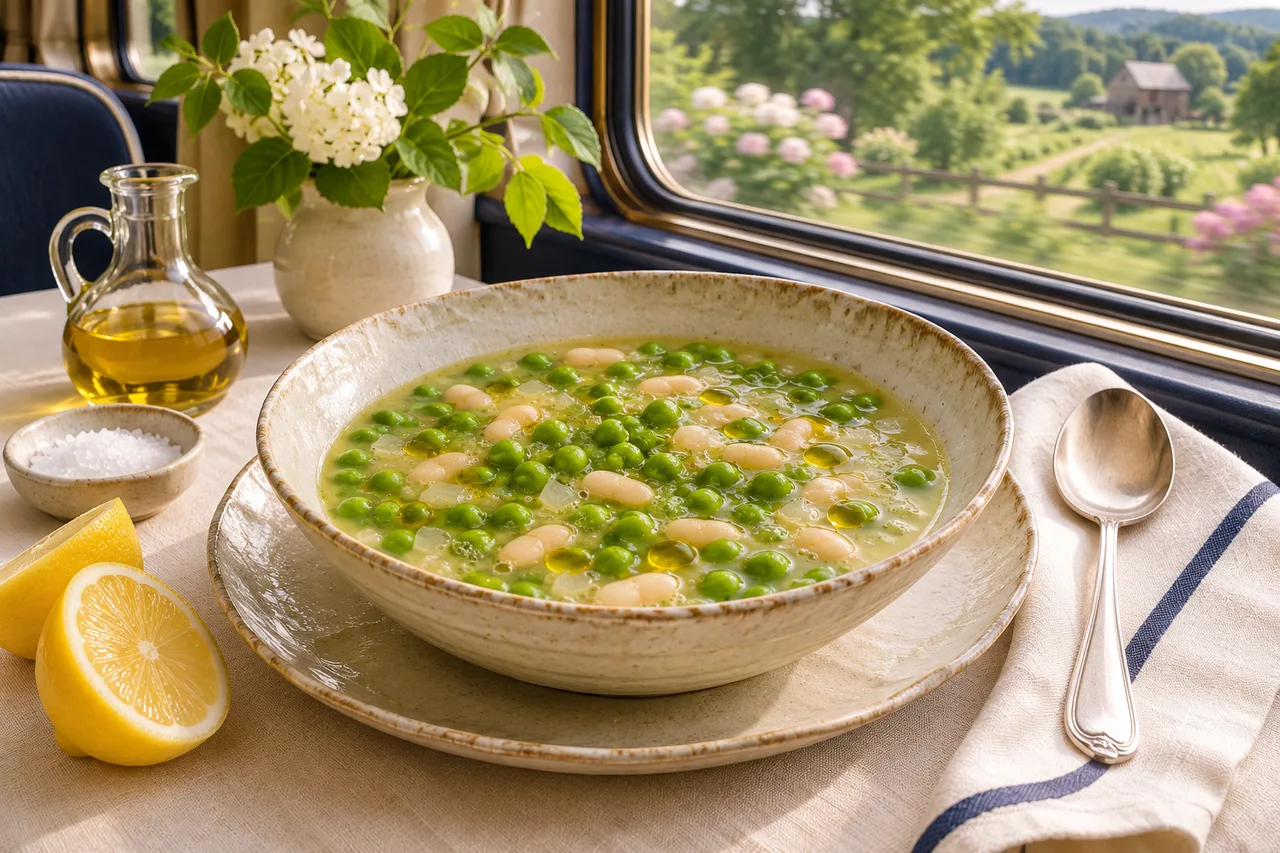
Soups · Public recipe
Pea & white bean soup
A green soup with peas, white beans and lemon.
Serves 4 · about 30 minutes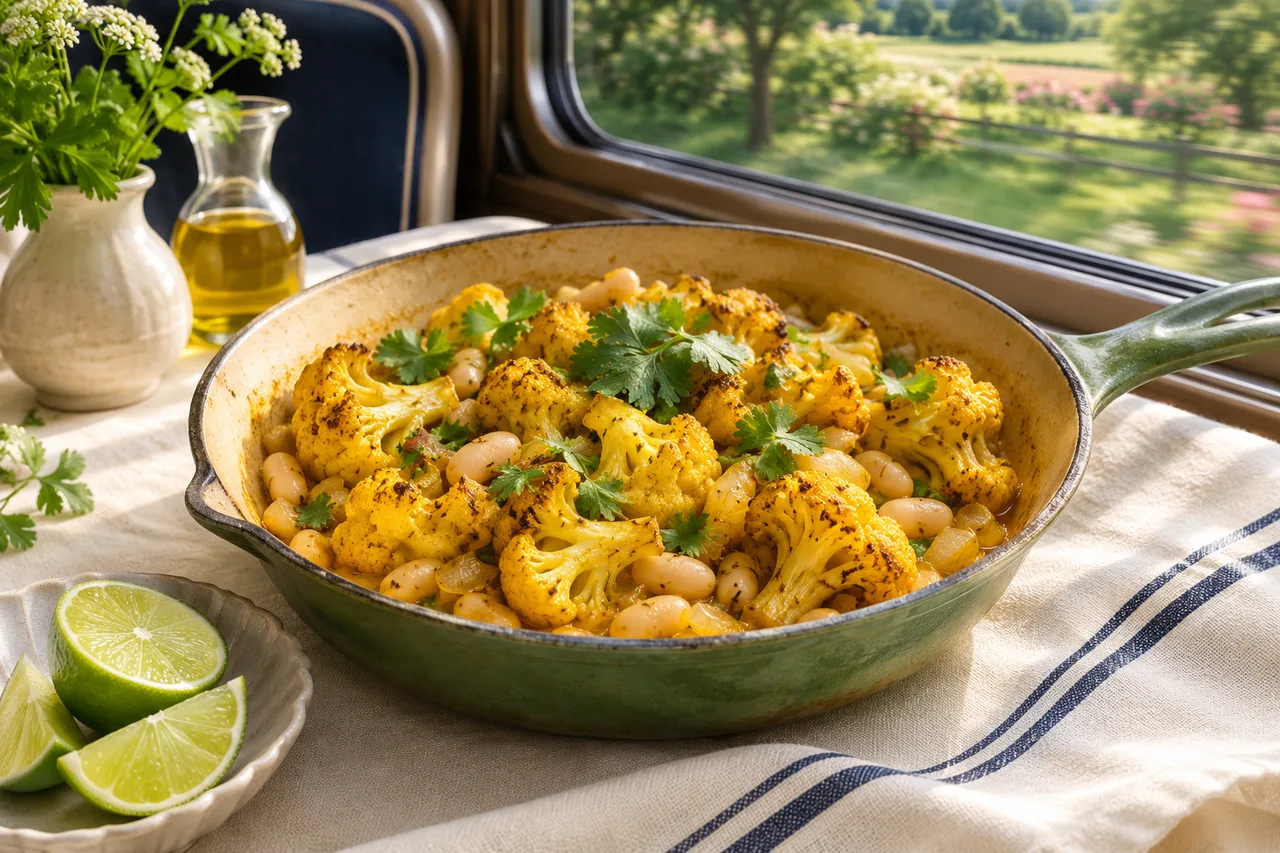
The Herb & Spice Table
Coriander-Lime Cauliflower & White Bean Skillet
Public introduction & safety notes. Full recipe with Passenger passage.
About 30 minutes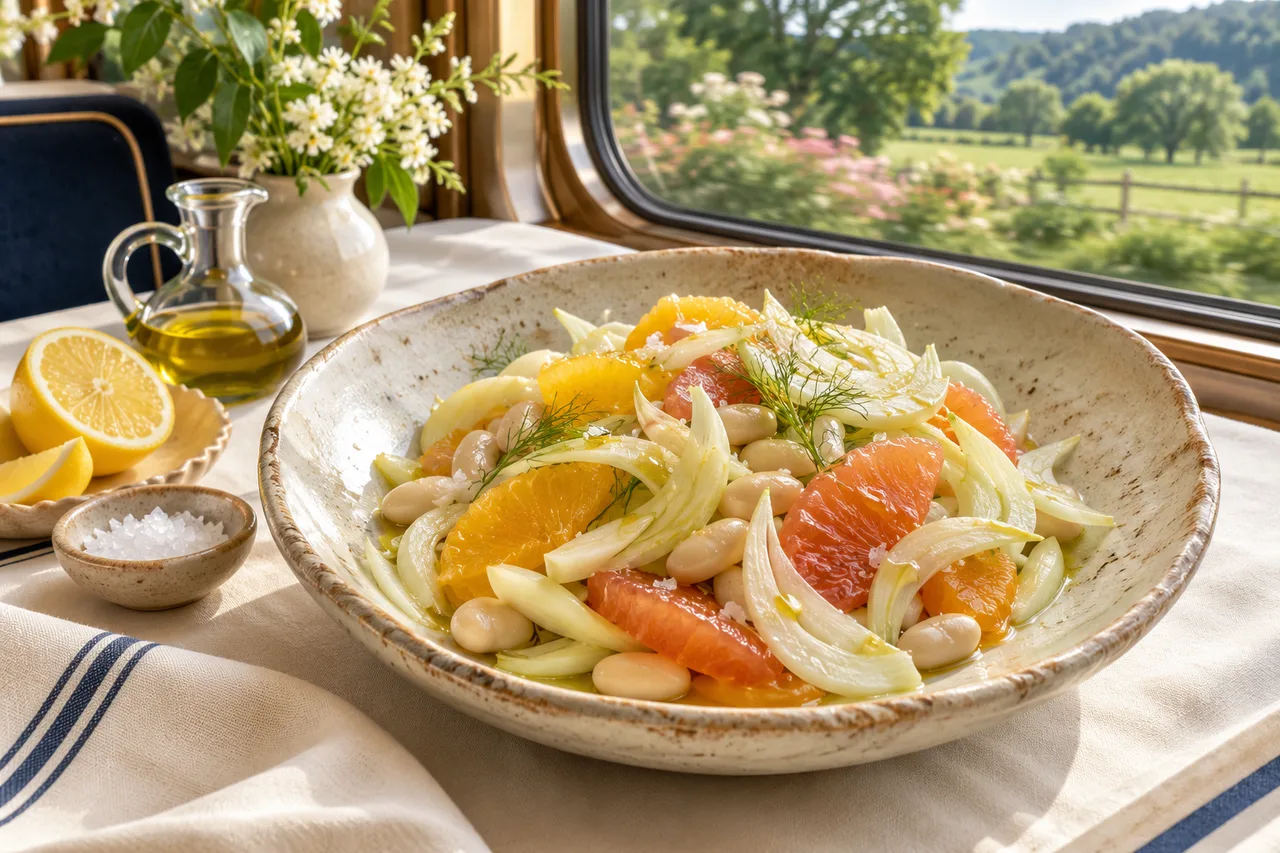
The Salad Garden
Citrus, Fennel & White Bean Salad
Public introduction & safety notes. Full recipe with Passenger passage.
About 20 minutes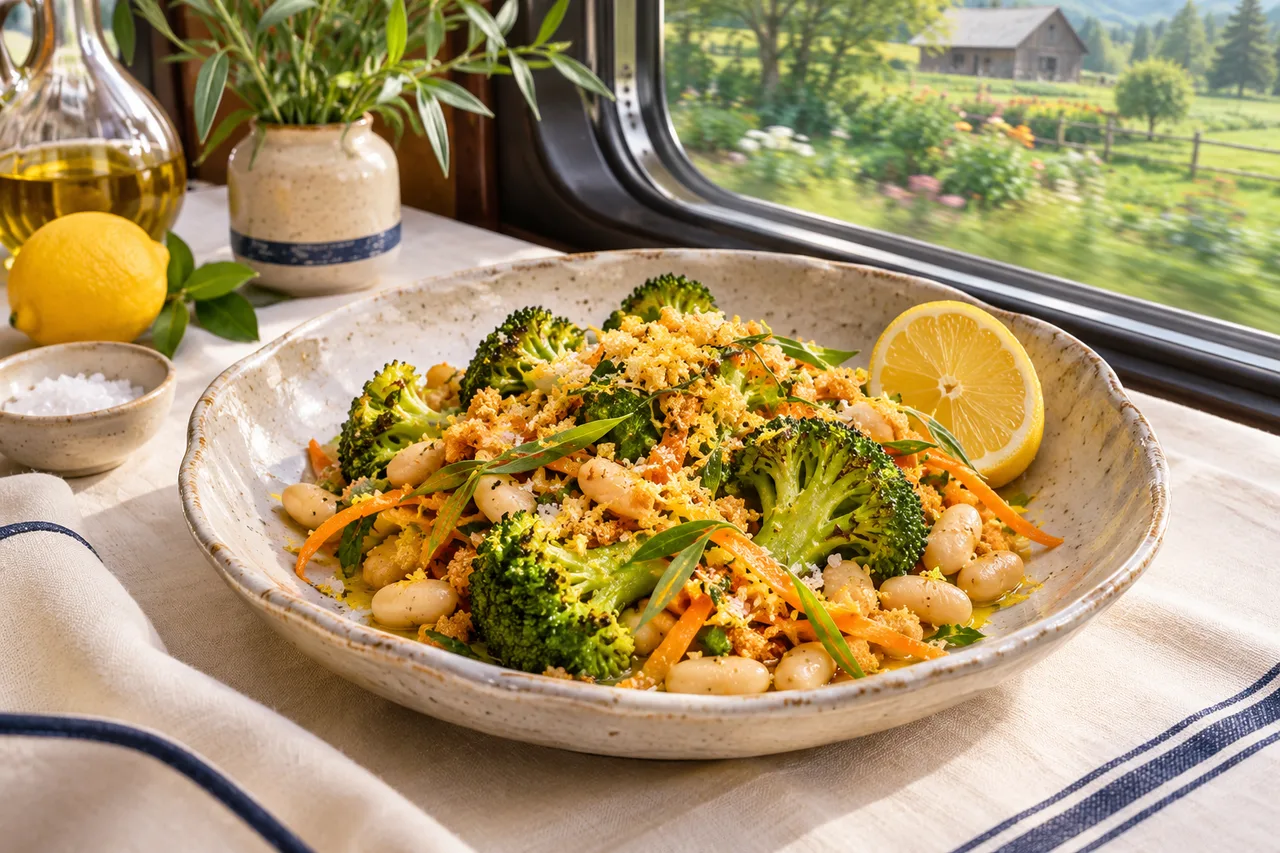
The Salad Garden
Lemony Broccoli, White Bean & Tarragon Crunch
Public introduction & safety notes. Full recipe with Passenger passage.
About 20 minutes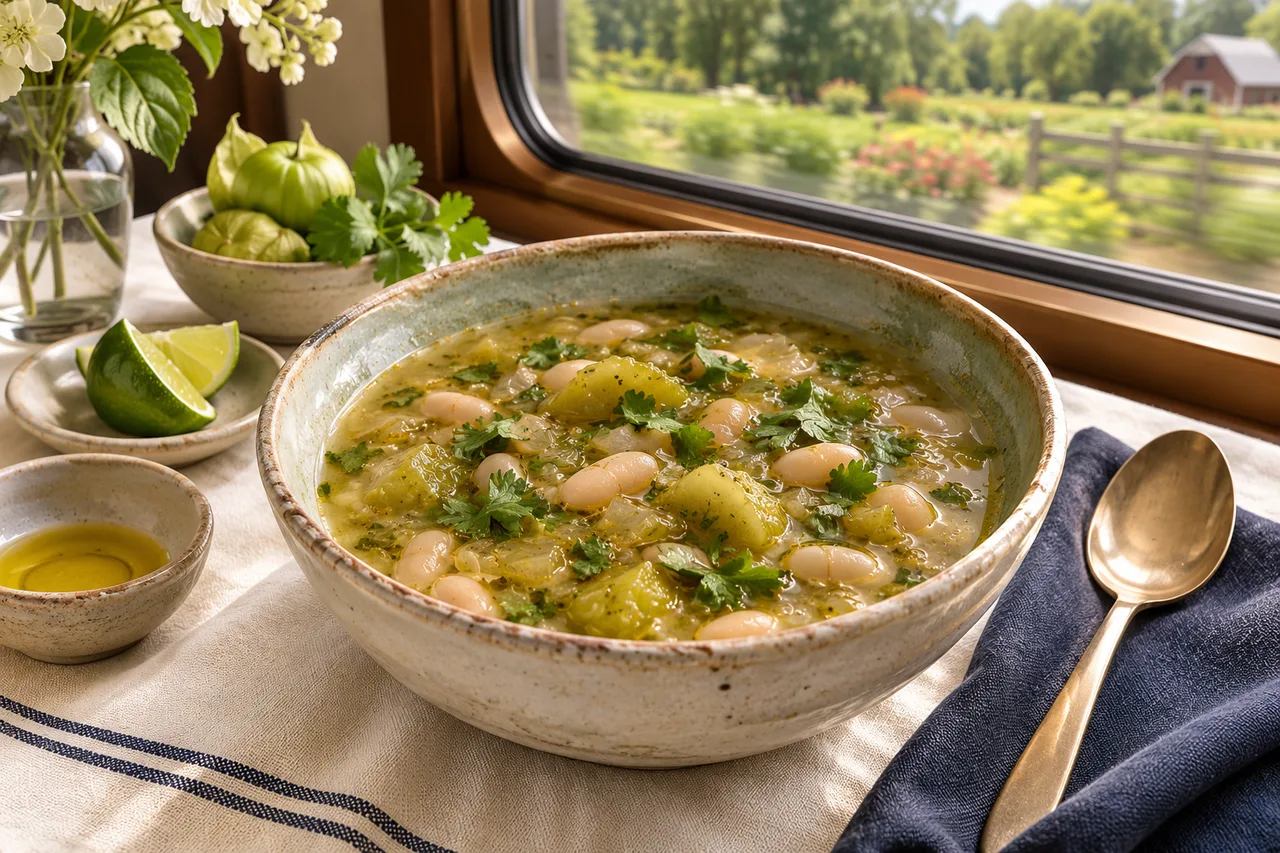
The Soup Garden
Tomatillo, White Bean & Cilantro Soup
Public introduction & safety notes. Full recipe with Passenger passage.
About 40 minutes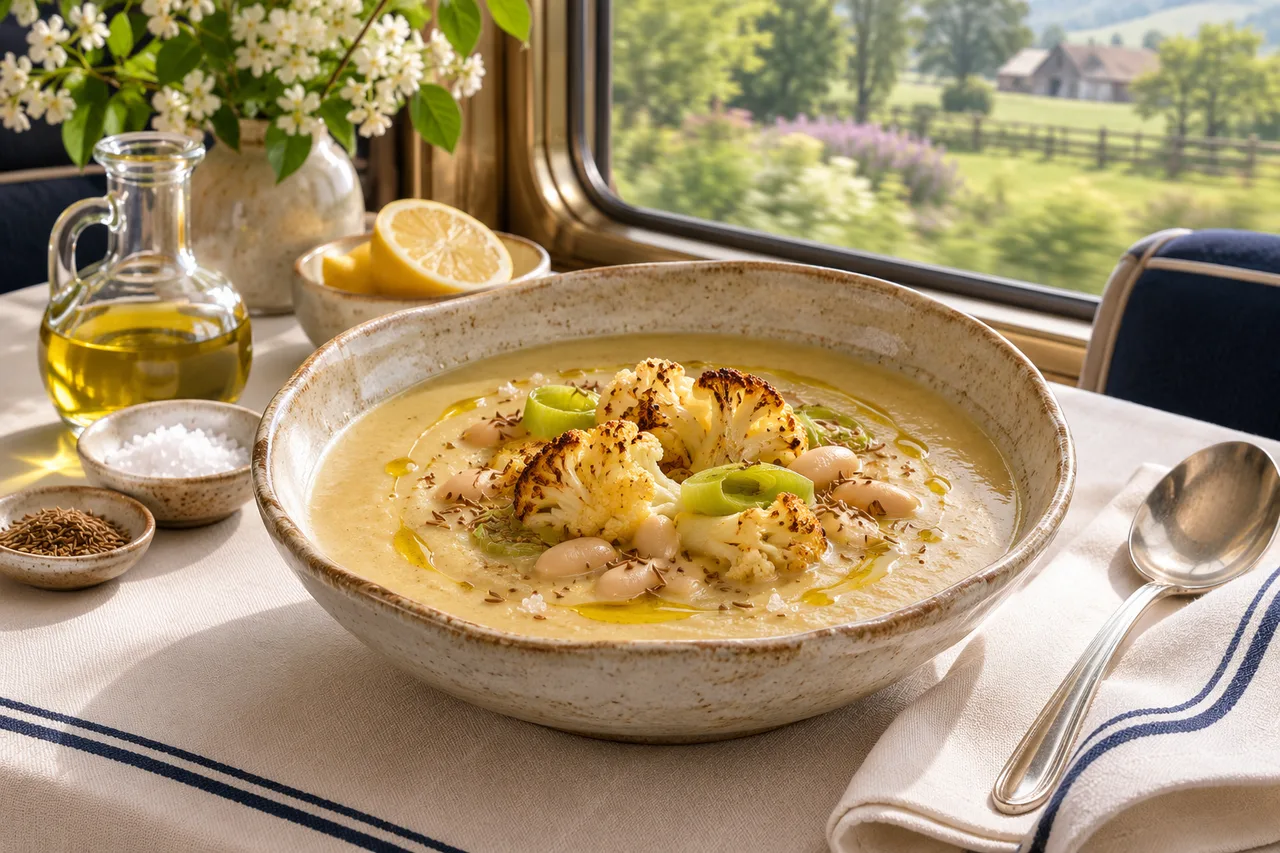
The Soup Garden
Cumin-Roasted Cauliflower & Leek Soup
Public introduction & safety notes. Full recipe with Passenger passage.
About 45 minutesFrom the garden notebook
Look beyond the plate.
The ingredient’s form matters. Start with the preparation named in the recipe, then use the ingredient notes below for the next step. The scenery offers an imagined setting for the journey; it is not a botanical identification guide.
CULINARY INGREDIENT
Inside the ingredient.
Cannellini beans are the white bean used here. Cooked beans can be mashed or left whole.
Development profile · nutrient-source connection reviewed; Founder review pending
Follow the actual nutrient record.
Compare the named preparation and source portion; a fresh herb, a dried spice and a cooked food are different records.
Beans, white, mature seeds, canned · 71 nutrient entries →
Search the complete food library →In the kitchen.
Drain and rinse canned beans. Raw dry beans require their own safe soaking and cooking procedure; these recipes are not instructions for that substitution.
Iron · follow the connection
Plant foods contain nonheme iron. Vitamin C-containing foods can improve its absorption. A recipe link does not measure the iron absorbed. This is a nutrient function, not evidence that a meal treats anemia. Fatigue has many possible causes; this explorer does not diagnose it.
Magnesium · follow the connection
NIH lists leafy vegetables, whole grains and legumes as food sources. These ingredient examples belong to those groups; product, preparation and portion affect the amount. A nutrient function does not show that a meal treats cramps, migraine or diabetes. Magnesium supplements can interact with medicines; this explorer gives no supplement recommendation.
Follow the source.
- NIH ODS · Iron ↗
Updated August 17, 2023 · Full page reviewed 2026-10-11
- NIH ODS · Magnesium ↗
Updated March 22, 2021 · Full page reviewed 2026-10-12
Follow it into the body.
Using a packaged ingredient? Read its current food label ↗
Cook with white beans.
THE ENERGY ANATOMY ATLAS · PASSENGER DEPTH
Beyond the nutrient table.
A food has a preparation, a place in the living world and, when recorded, a place in the Energy Anatomy chart. Explore those layers together while keeping nutrient evidence and symbolic associations distinct.
- Food & preparation
- Recorded chart links
- Earth & growing systems
- Body & condition journeys
Chart connections are traditional or symbolic unless a separate source establishes a scientific claim. They do not establish treatment effects.