

ISSUE 02 · OCTOBER 2026 · FOOD
What does “ultra-processed” actually capture?
When a broad food category is associated with health outcomes, what is the category measuring?
Fifty-one cohorts create a serious signal. They do not turn one label—or one lunch—into a causal verdict.
Follow the evidence ↓Values reproduce the cited source’s scope; they are not estimates for one field, river, package or person.
01 · BEGIN WITH THE FINDING
A very large observation
The 2026 meta-analysis pooled 51 prospective cohorts involving 8,819,894 adults. Higher ultra-processed-food intake was associated with cardiovascular events, cancer, obesity or overweight, metabolic outcomes, depression or anxiety, digestive disease and all-cause mortality. Dose-response analyses also found associations for several outcomes. The authors rated the overall evidence low or moderate. Large numbers improve precision; they do not randomly assign a lifetime of eating.
02 · FOLLOW THE MECHANISM
The category groups unlike foods
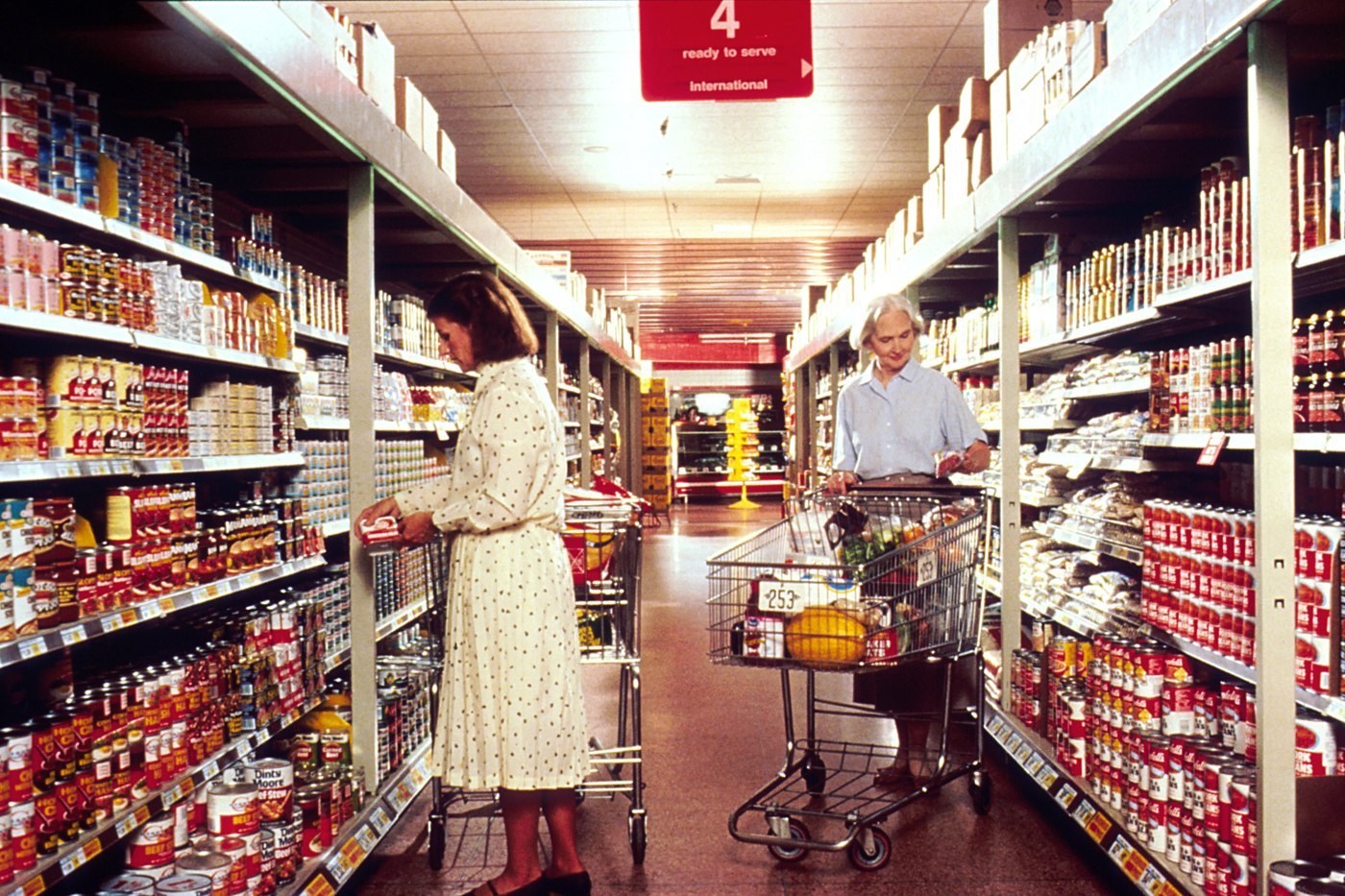
NOVA classifies foods partly by the nature and purpose of industrial processing and formulation. That captures something ordinary nutrient labels may miss, but the category contains products with different nutrient profiles, food structures, purposes and prices. Possible explanations include energy density, fiber displacement, sodium, added sugars, food structure, additives and the wider dietary pattern. The meta-analysis cannot identify one mechanism that explains every association.
03 · KEEP THE CLAIM BOUNDED
No moral grade at the checkout
People who consume more foods in the category may differ in income, time, health, access and other behaviors. Statistical adjustment addresses some confounding, not all. A convenient food may make eating possible in one household. The evidence supports better trials, clearer formulation research and food environments that make nourishing options practical. It does not justify blaming a person, accusing a pictured brand or claiming that ultra-processed food has been proven to cause colorectal cancer.
THE EVIDENCE ABOARD
Follow the source.
THE STORY CONTINUES · PASSENGER
The public finding opens the question. The deeper Track tests its limits.
Continue into the study design, system relationships, practical questions and the evidence still missing.
Continue the Passenger investigation →THE ORANGE · FOLLOW THE QUESTION
Ask where it goes next.
The Orange now recognizes this investigation’s vocabulary and routes the question back to reviewed reporting.
Ask The Orange →