The Gardens of Panache · The Vegetable Garden
Broccoli
A green crown for the supper table.
Broccoli brings both florets and tender stem to the pan. Cut them to suit the recipe, then follow their texture into noodles, rice and the company of a lively dressing.
Gather around the table
Cook with broccoli.
Choose a recipe, follow its preparation, and let the neighboring ingredients open the next part of the journey.
Dinner · Public recipe
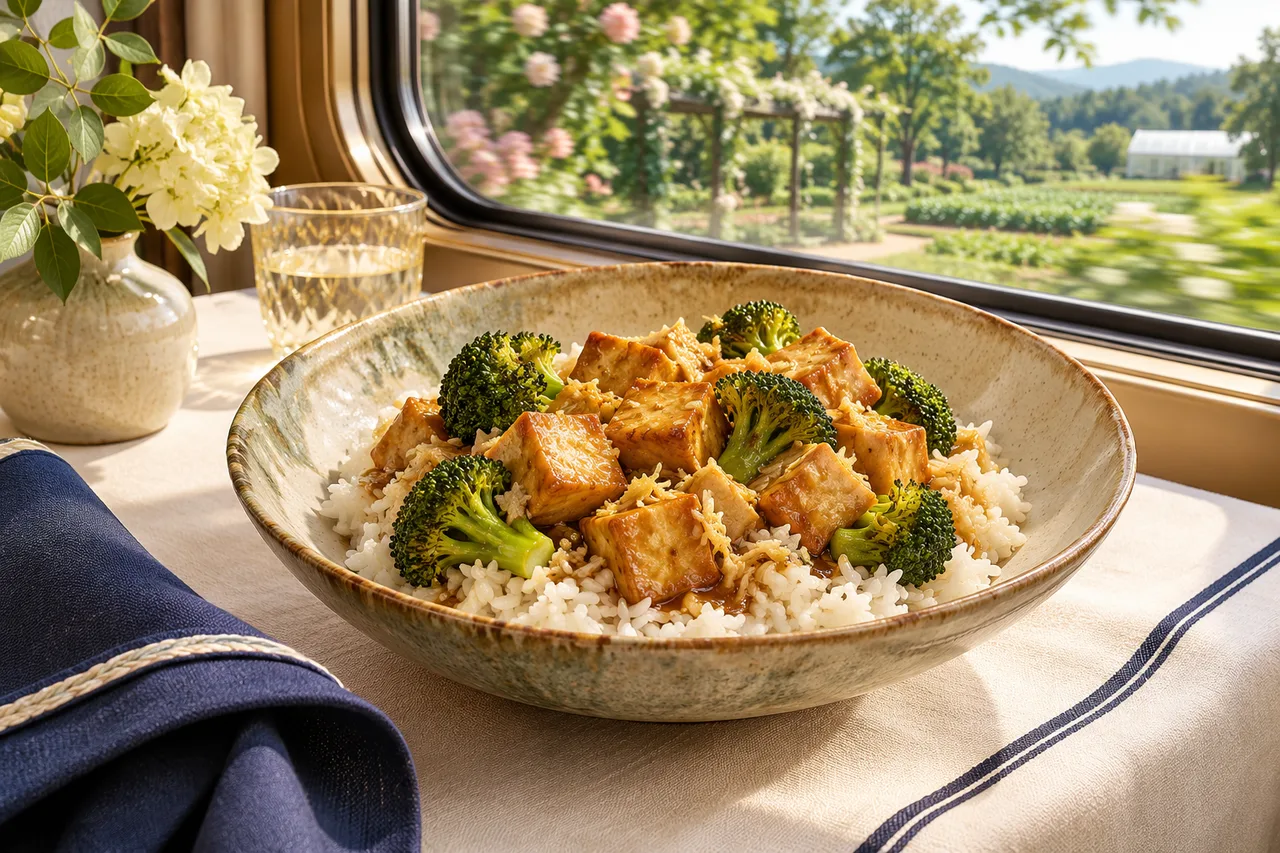
Ginger tofu & rice
Pan-browned tofu with ginger, broccoli and rice.
Serves 4 · about 45 minutes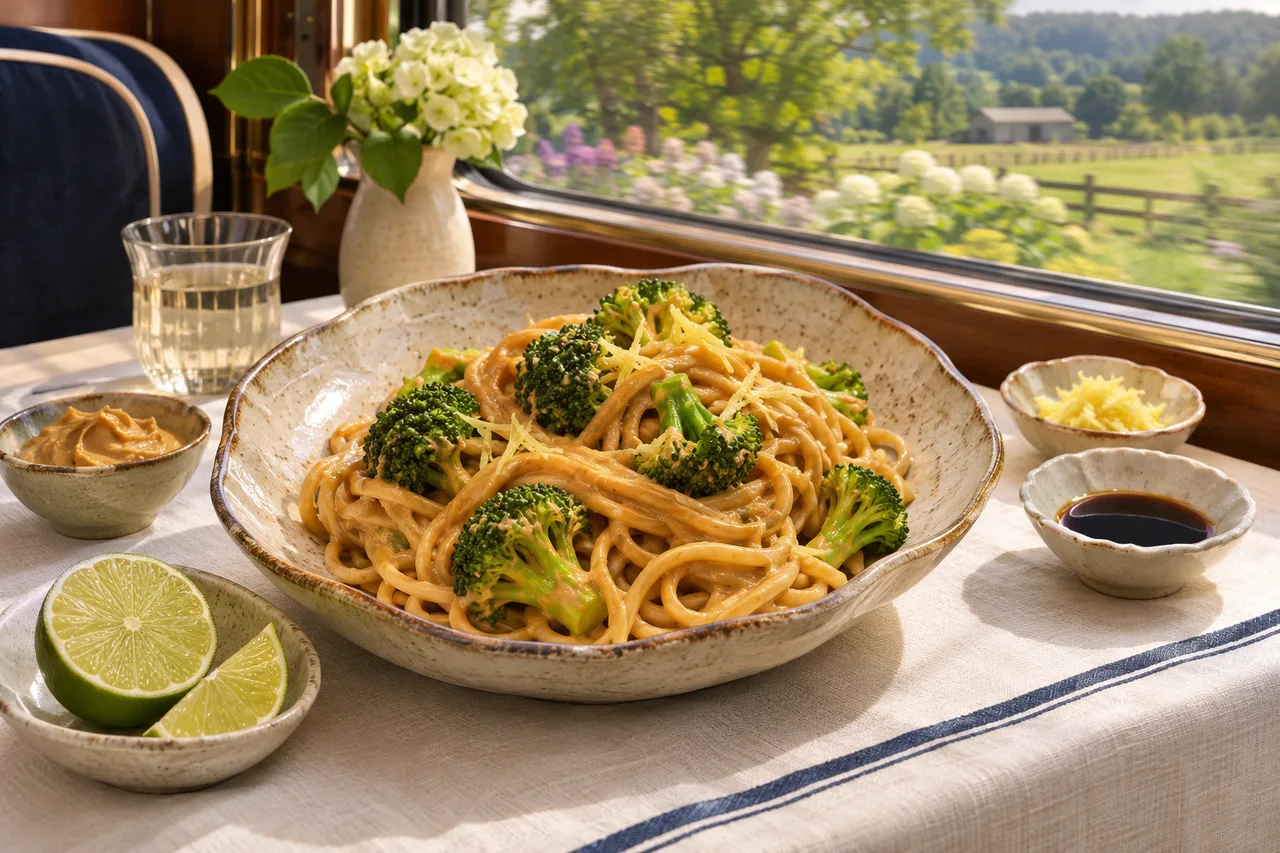
Dinner · Public recipe
Broccoli & peanut noodles
Noodles and broccoli with a simple peanut-lime dressing.
Serves 4 · about 30 minutes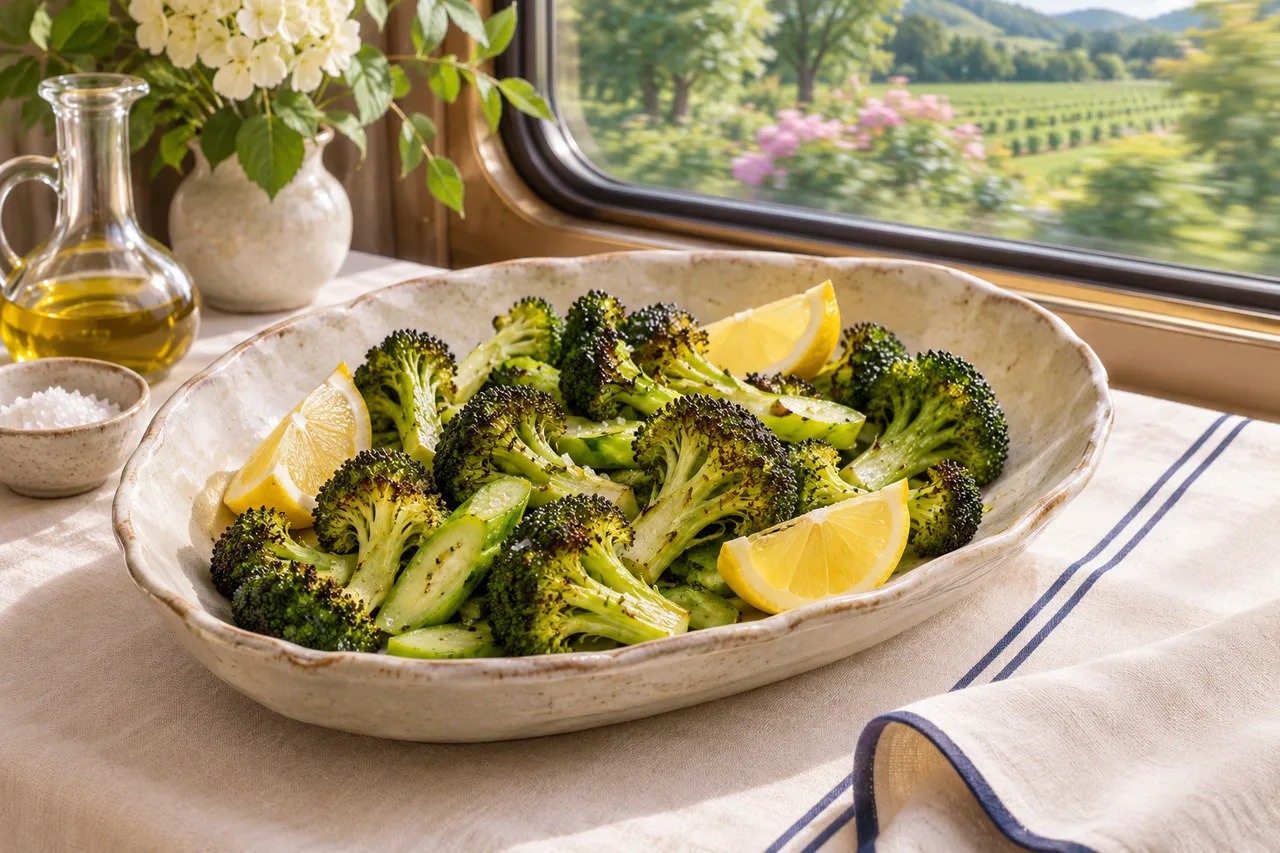
Sides · Public recipe
Roasted broccoli with lemon
A hot oven gives broccoli browned edges; lemon finishes the tray.
Serves 4 · about 30 minutes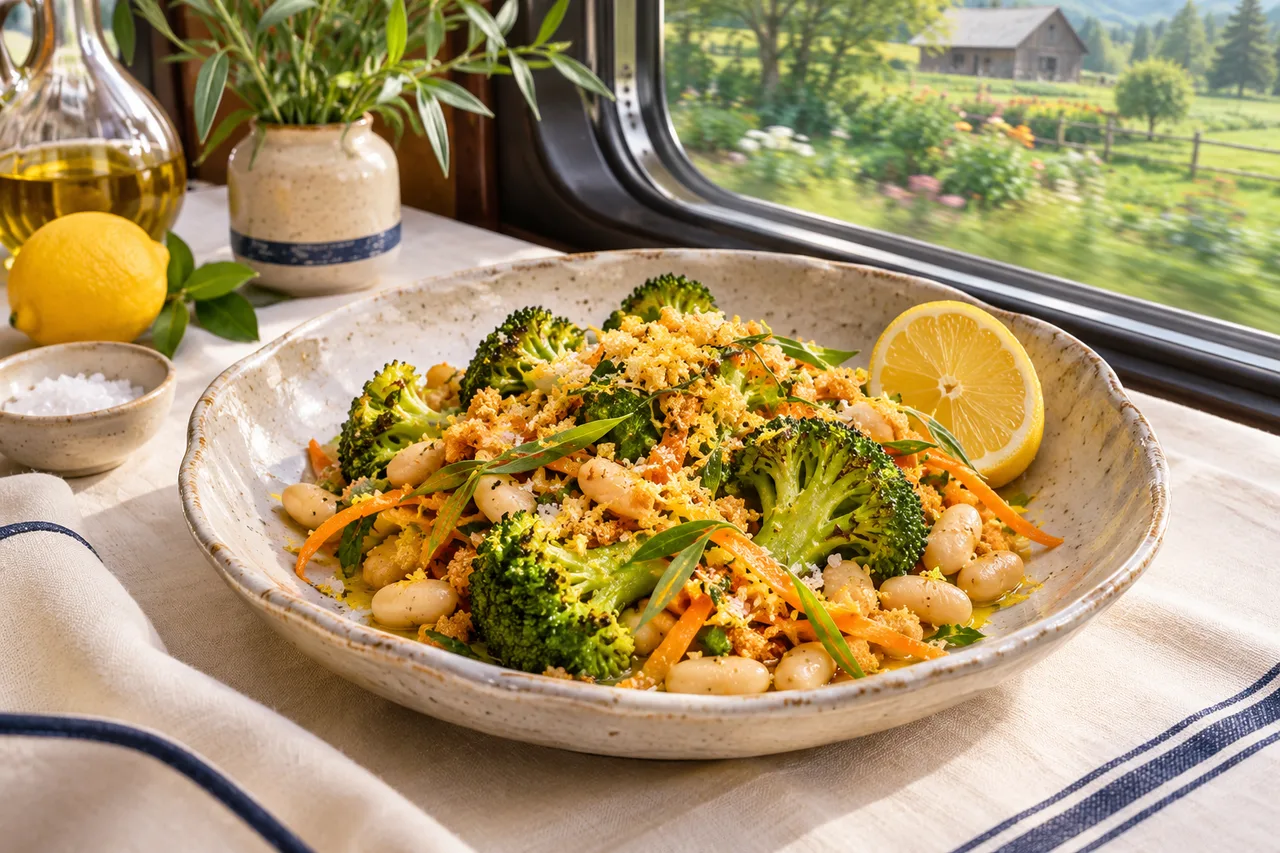
The Salad Garden
Lemony Broccoli, White Bean & Tarragon Crunch
Public introduction & safety notes. Full recipe with Passenger passage.
About 20 minutesFrom the garden notebook
Look beyond the plate.
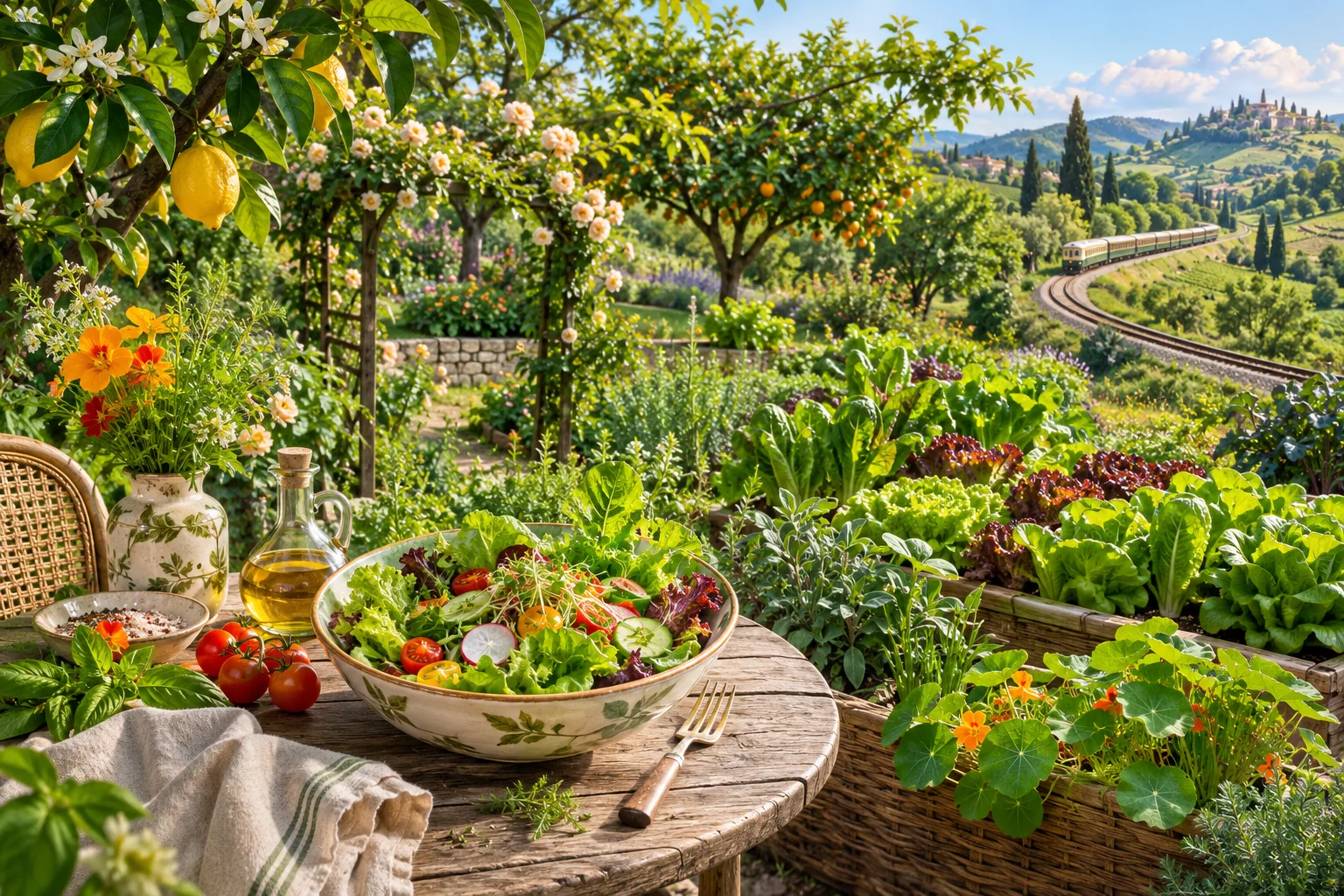
The ingredient’s form matters. Start with the preparation named in the recipe, then use the ingredient notes below for the next step. The scenery offers an imagined setting for the journey; it is not a botanical identification guide.
CULINARY INGREDIENT
Inside the ingredient.
Florets and the peeled tender stem can be cooked together when cut to similar sizes.
Development profile · nutrient-source connection reviewed; Founder review pending
Follow the actual nutrient record.
Compare the named preparation and source portion; a fresh herb, a dried spice and a cooked food are different records.
Broccoli, raw · 116 nutrient entries →
Search the complete food library →In the kitchen.
Wash and cut into even pieces. Check the thickest stem for tenderness; avoid crowding the oven tray.
Calcium · follow the connection
Broccoli contains calcium. Calcium in tofu and plant beverages depends on the product and fortification; check the label. Food names do not establish a calcium amount. These links do not show that a meal prevents fractures or meets an individual requirement.
Potassium · follow the connection
These foods are listed by NIH ODS as potassium sources. Variety, preparation and portion change the amount; no recipe nutrient totals are calculated here. More is not always appropriate. Kidney disease and some medicines can change potassium handling; follow your care plan. This explorer does not recommend potassium supplements or salt substitutes.
Vitamin C · follow the connection
NIH lists broccoli, baked potatoes and tomatoes among vitamin C sources. Prolonged storage and cooking can reduce content; these links do not calculate a recipe amount. This function is not evidence that a recipe heals wounds or prevents illness. These connections do not diagnose deficiency, measure iron absorption or recommend vitamin C supplements.
Follow the source.
- NIH ODS · Calcium ↗
Updated September 14, 2023 · Full page reviewed 2026-10-11
- NIH ODS · Potassium ↗
Updated March 22, 2021 · Full page reviewed 2026-10-11
- NIH ODS · Vitamin C ↗
Updated March 22, 2021 · Full page reviewed 2026-10-12
Follow it into the body.
Named connections refer to these exact food preparations, not a clinical effect of this ingredient or recipe.
Broccoli, raw · Skin & Cellular Health · Bones & Muscles · Gut & Digestion →
Health evidence: Cardiovascular disease · Hypertension · Osteoporosis · Digestive disorders →
Using a packaged ingredient? Read its current food label ↗
Cook with broccoli.
THE ENERGY ANATOMY ATLAS · PASSENGER DEPTH
Beyond the nutrient table.
A food has a preparation, a place in the living world and, when recorded, a place in the Energy Anatomy chart. Explore those layers together while keeping nutrient evidence and symbolic associations distinct.
- Food & preparation
- Recorded chart links
- Earth & growing systems
- Body & condition journeys
Chart connections are traditional or symbolic unless a separate source establishes a scientific claim. They do not establish treatment effects.