The Gardens of Panache · The Vegetable Garden
Tomato
Bring the red of the garden to the pot.
Tomato can be a fresh accent or the generous base of a simmering dish. Begin with the form named in the recipe—fresh, chopped canned or crushed—and follow its color into lentils, chickpeas and pasta.
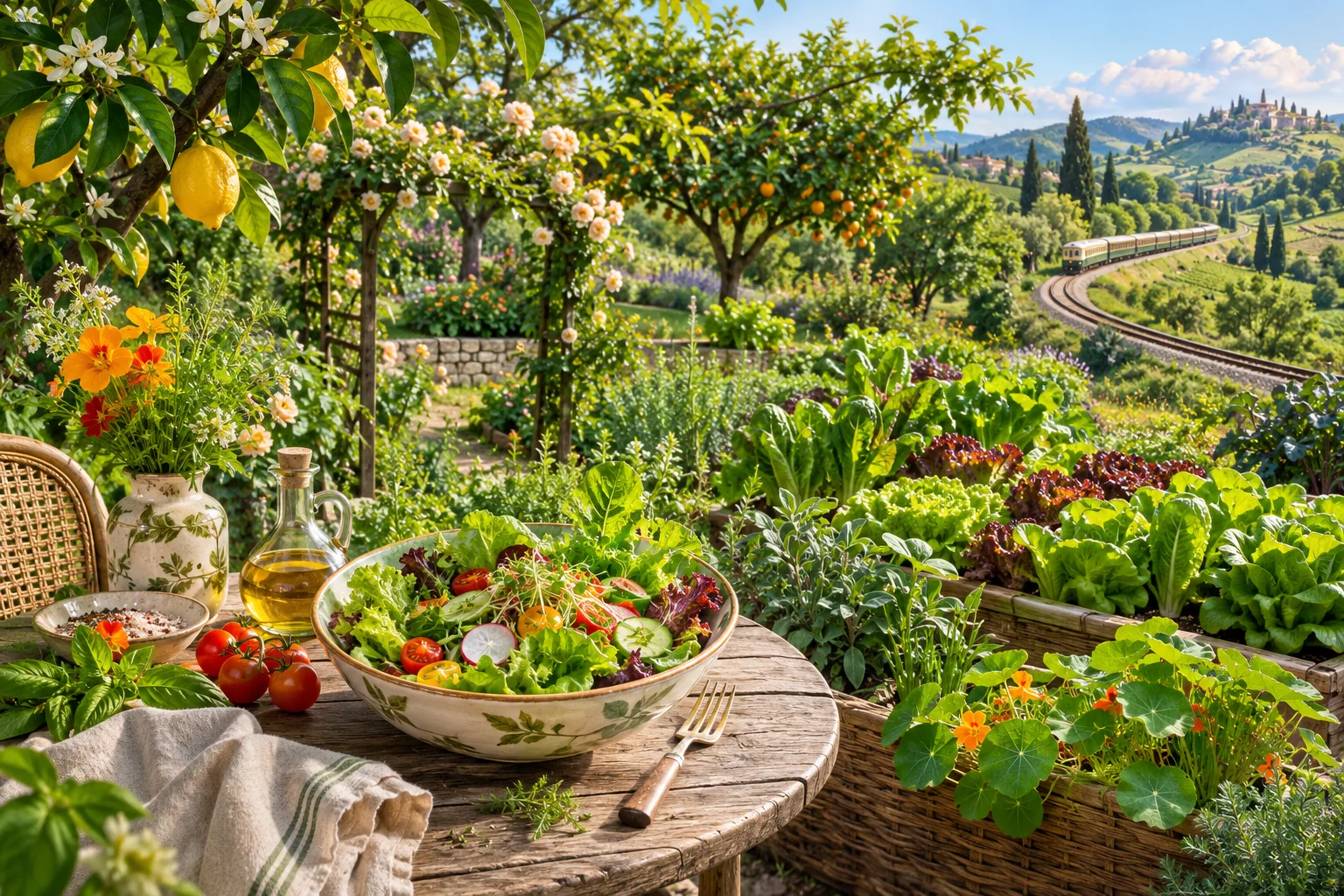
Gather around the table
Cook with tomato.
Choose a recipe, follow its preparation, and let the neighboring ingredients open the next part of the journey.
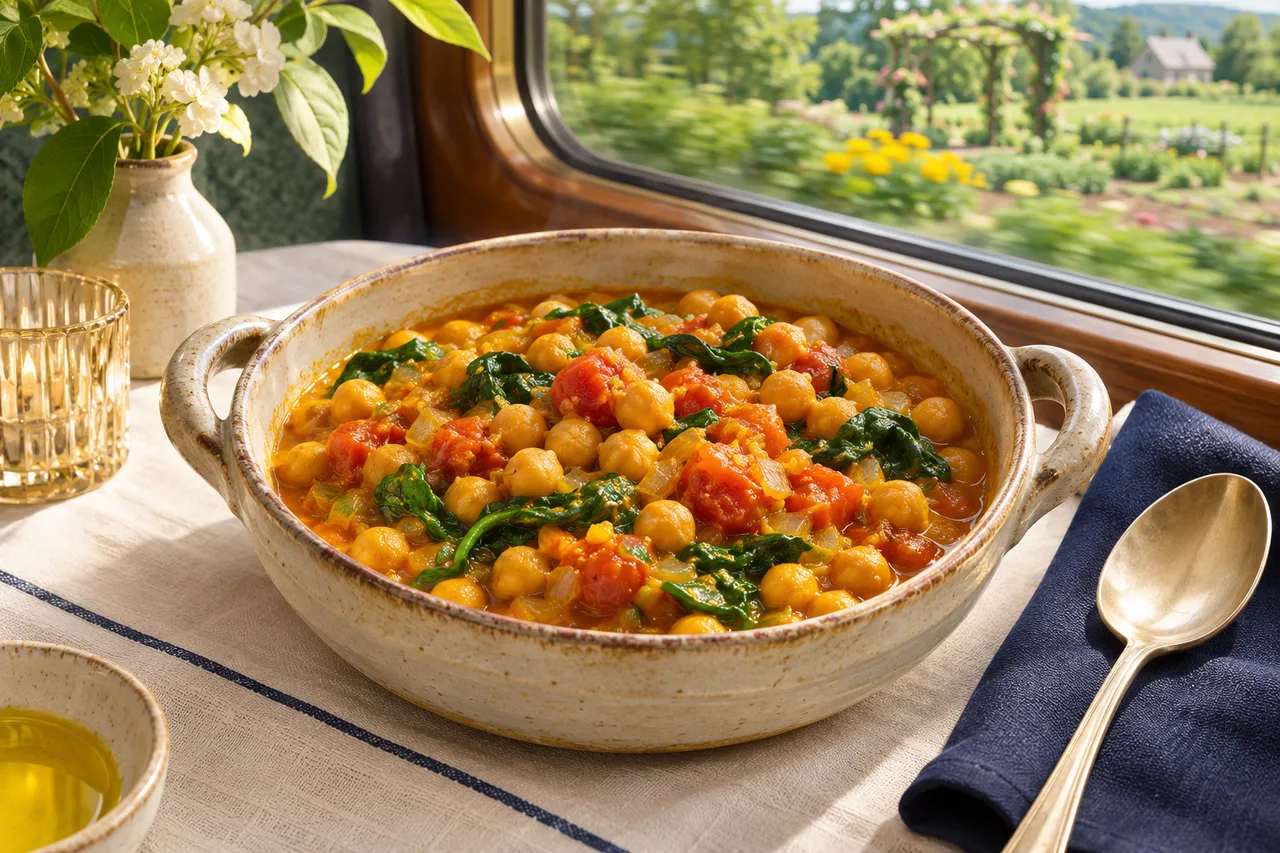
One-pot · Public recipe
Golden chickpea & tomato pot
Chickpeas simmered with tomatoes, ginger and culinary turmeric.
Serves 4 · about 40 minutes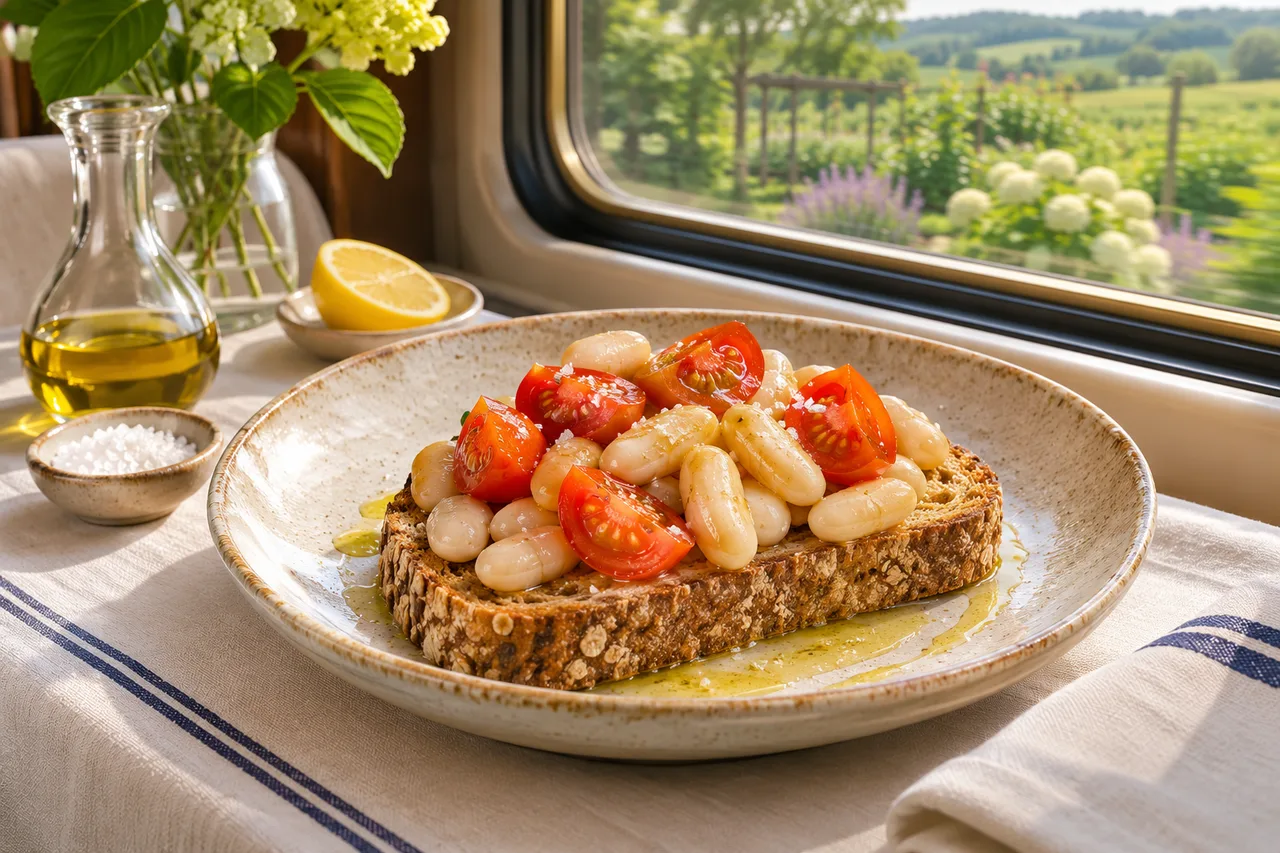
Lunch · Public recipe
Tomato & white bean toast
A quick bean mash with tomatoes on crisp toast.
Serves 2 · about 15 minutes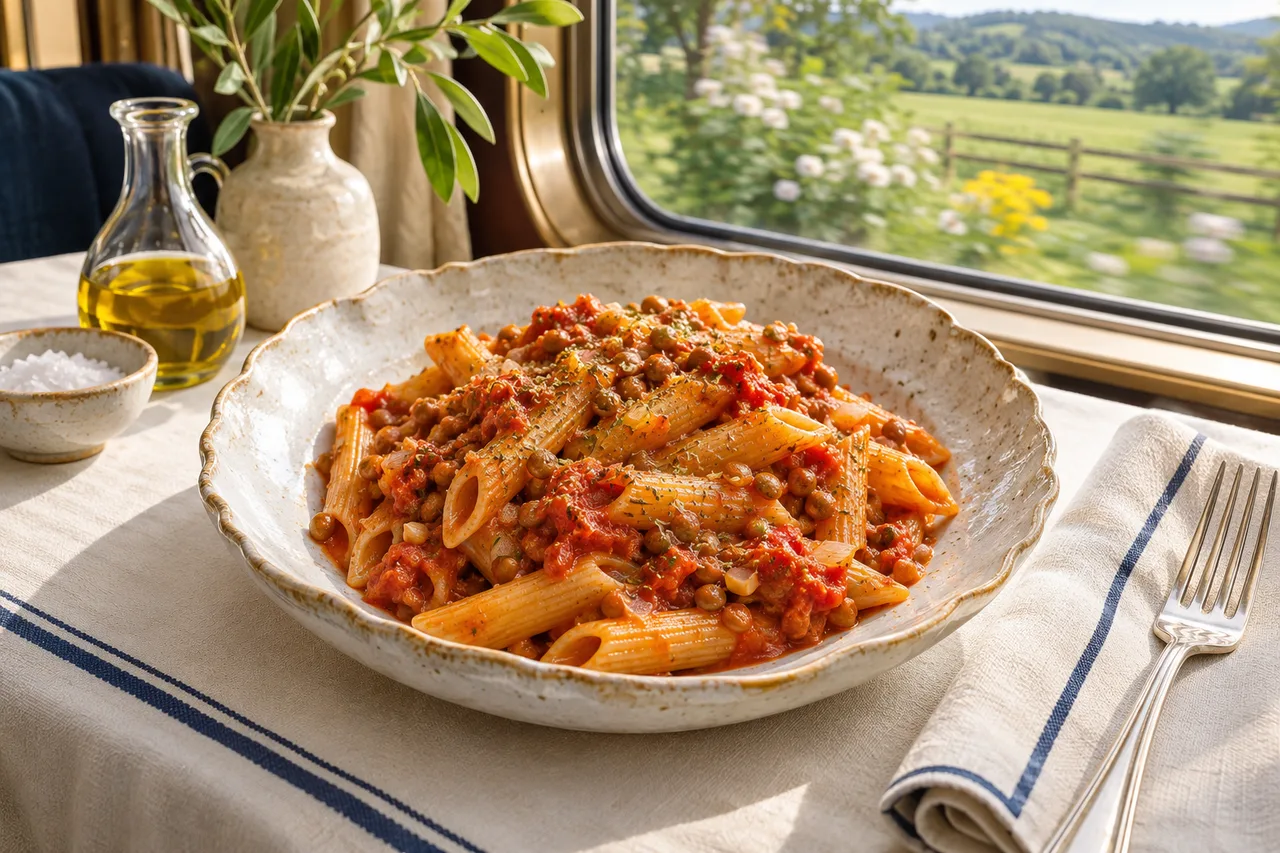
Dinner · Public recipe
Tomato & lentil pasta
A tomato sauce built around cooked lentils.
Serves 4 · about 40 minutes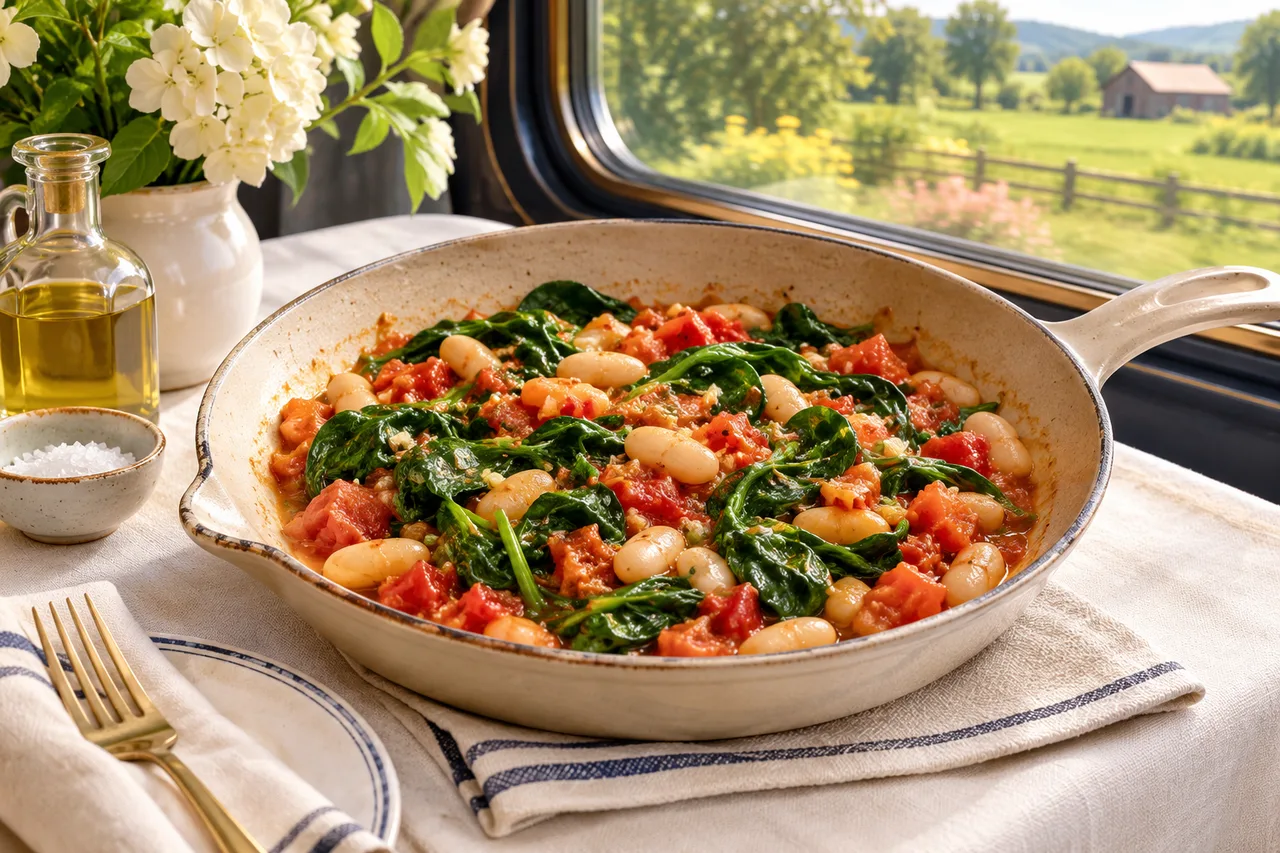
One-pot · Public recipe
Spinach & white bean skillet
Warm white beans and tomatoes finished with spinach.
Serves 4 · about 25 minutes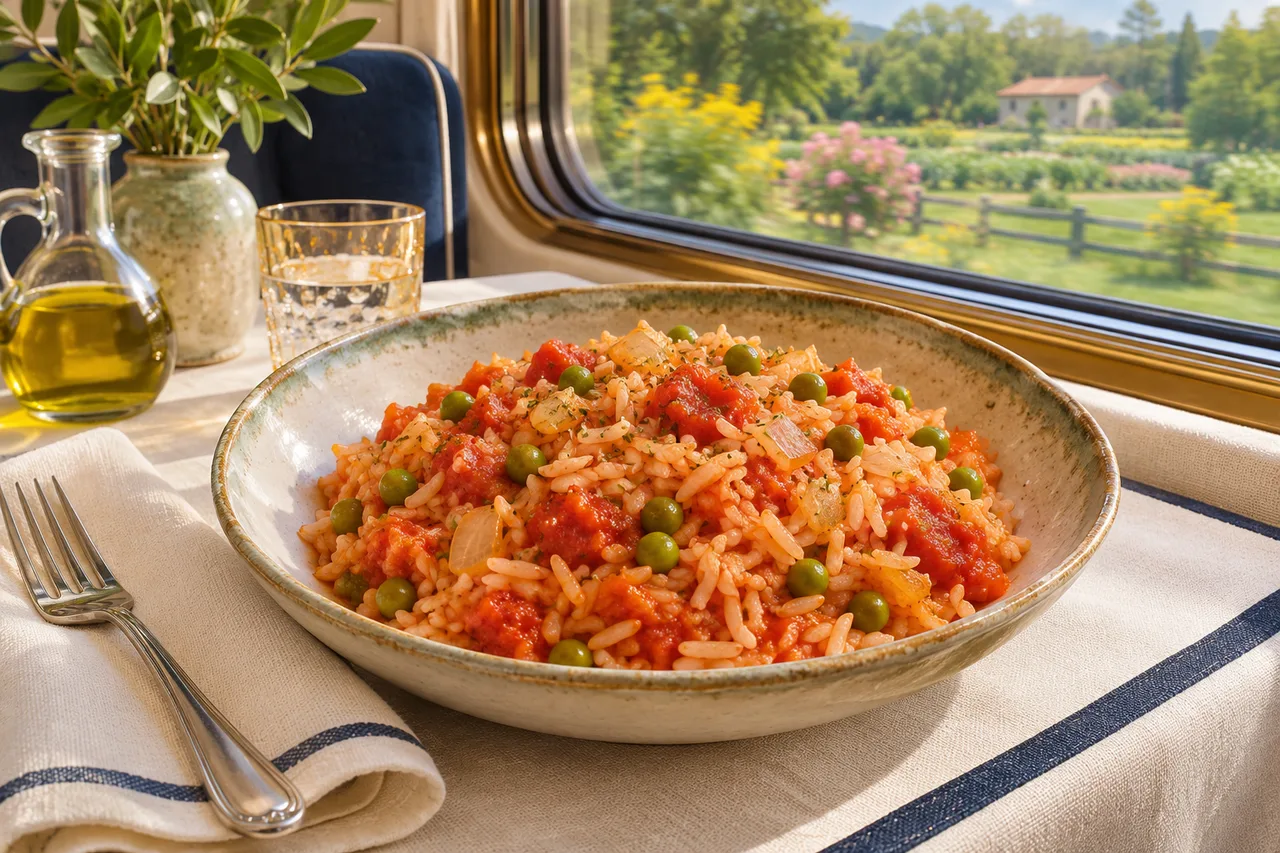
One-pot · Public recipe
Tomato rice & peas
A pantry rice pot with tomatoes, peas and oregano.
Serves 4 · about 35 minutesFrom the garden notebook
Look beyond the plate.
The ingredient’s form matters. Start with the preparation named in the recipe, then use the ingredient notes below for the next step. The scenery offers an imagined setting for the journey; it is not a botanical identification guide.
CULINARY INGREDIENT
Inside the ingredient.
Fresh, chopped canned and crushed tomatoes behave differently. The recipe specifies the form.
Development profile · nutrient-source connection reviewed; Founder review pending
Follow the actual nutrient record.
Compare the named preparation and source portion; a fresh herb, a dried spice and a cooked food are different records.
Tomatoes, red, ripe, raw, year round average · 108 nutrient entries →
Tomatoes, red, ripe, canned, packed in tomato juice · 104 nutrient entries →
Tomatoes, crushed, canned · 96 nutrient entries →
Search the complete food library →In the kitchen.
Wash fresh tomatoes. Keep canned juices when called for; a drained can changes both the liquid and the sauce texture.
Potassium · follow the connection
These foods are listed by NIH ODS as potassium sources. Variety, preparation and portion change the amount; no recipe nutrient totals are calculated here. More is not always appropriate. Kidney disease and some medicines can change potassium handling; follow your care plan. This explorer does not recommend potassium supplements or salt substitutes.
Vitamin C · follow the connection
NIH lists broccoli, baked potatoes and tomatoes among vitamin C sources. Prolonged storage and cooking can reduce content; these links do not calculate a recipe amount. This function is not evidence that a recipe heals wounds or prevents illness. These connections do not diagnose deficiency, measure iron absorption or recommend vitamin C supplements.
Follow the source.
- NIH ODS · Potassium ↗
Updated March 22, 2021 · Full page reviewed 2026-10-11
- NIH ODS · Vitamin C ↗
Updated March 22, 2021 · Full page reviewed 2026-10-12
Follow it into the body.
Named connections refer to these exact food preparations, not a clinical effect of this ingredient or recipe.
Tomatoes, red, ripe, raw, year round average · Heart & Circulation · Kidneys & Urinary System · Skin & Cellular Health · Eyes & Vision →
Health evidence: Cardiovascular disease · Hypertension · Nutrient deficiencies →
Using a packaged ingredient? Read its current food label ↗
Cook with tomato.
Color, compounds and human evidence
These are preparation-specific food references, not disease benefits assigned from an ingredient’s color.
Inspect the evidence for Ripe red tomato; cultivar and ripeness affect its pigment profile. →
THE ENERGY ANATOMY ATLAS · PASSENGER DEPTH
Beyond the nutrient table.
A food has a preparation, a place in the living world and, when recorded, a place in the Energy Anatomy chart. Explore those layers together while keeping nutrient evidence and symbolic associations distinct.
- Food & preparation
- Recorded chart links
- Earth & growing systems
- Body & condition journeys
Chart connections are traditional or symbolic unless a separate source establishes a scientific claim. They do not establish treatment effects.